Starting an Amazon FBA business can be exciting, but choosing the right training program is often one of the most challenging decisions for beginners.
With hundreds of online courses, coaching programs, and educational resources available, how do you know which training is worth your time and money?
Learning how to find the best Amazon FBA training is essential if you want to avoid unnecessary expenses, understand the fundamentals of selling on Amazon, and develop the skills needed to build a sustainable e-commerce business.
Some courses promise fast profits, while others focus on practical strategies such as product research, supplier sourcing, inventory management, and Amazon advertising.
The challenge is separating genuinely useful educational programs from courses that rely primarily on marketing promises.
In this comprehensive guide, we’ll explain what to look for in Amazon FBA training, how to compare different learning options, which mistakes to avoid, and how to select a program that matches your experience and budget.
Whether you’re completely new to Amazon selling or looking to improve your existing knowledge, this guide will help you make a more informed decision.
What Is Amazon FBA Training?
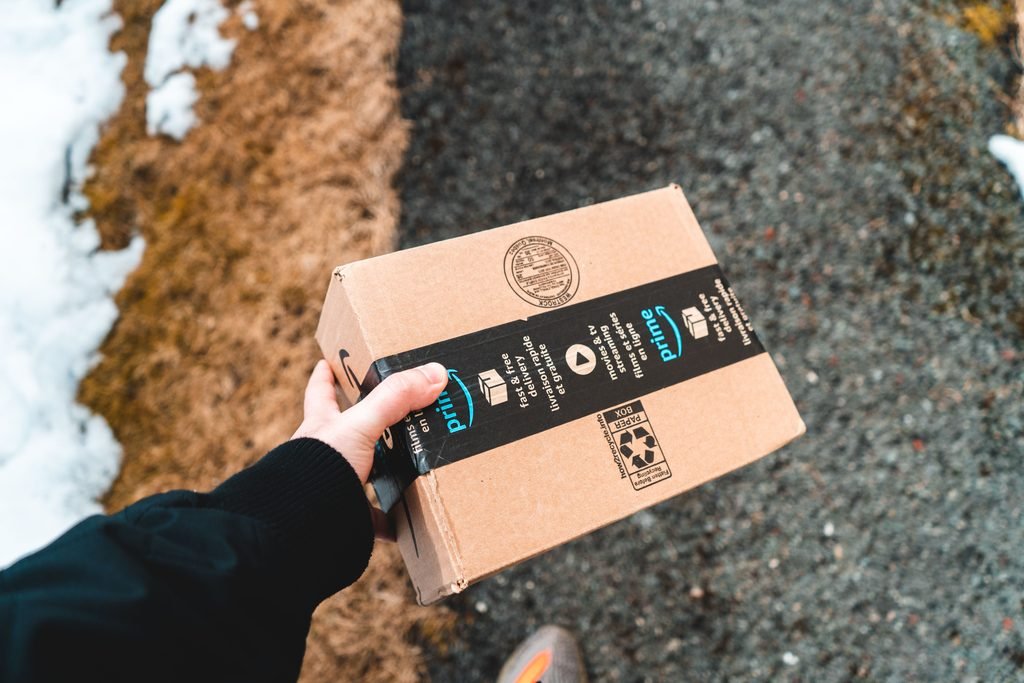
Amazon FBA training refers to educational programs designed to teach individuals how to start, manage, and potentially grow a business using Amazon’s Fulfillment by Amazon service.
FBA allows eligible sellers to send inventory to Amazon fulfillment centers, where Amazon handles storage, order fulfillment, shipping, and certain customer service and return-related activities.
However, running an Amazon FBA business involves much more than simply finding a product and listing it online.
Sellers need to understand product demand, competition, sourcing costs, platform fees, advertising, and inventory planning.
A comprehensive training program should introduce these concepts through structured lessons, practical examples, and realistic business scenarios.
What Does Amazon FBA Training Usually Cover?
Most comprehensive Amazon FBA courses address several important topics.
1. Product Research
Students learn how to evaluate potential products based on demand, competition, selling prices, estimated costs, and profitability.
2. Supplier Sourcing
Training may explain how to identify manufacturers, communicate with suppliers, request samples, and evaluate production costs.
3. Amazon Seller Central
Beginners learn how to navigate their seller accounts, create product listings, manage inventory, and monitor performance.
4. Product Listing Optimization
Courses often cover keyword research, product titles, descriptions, images, and listing content designed to improve relevance and conversions.
5. Amazon PPC Advertising
Advertising lessons explain how sponsored advertising works, how to structure campaigns, and how to monitor advertising performance.
6. Inventory Management
Students learn how to estimate inventory needs, understand storage expenses, and reduce the risk of stockouts or excess inventory.
A strong course should connect these topics into a practical learning process rather than presenting them as unrelated lessons.
Why Choosing the Right Amazon FBA Training Matters
The quality of your education can influence how effectively you approach the challenges of selling on Amazon.
A poorly structured course may leave beginners confused about important business decisions.
For example, someone might learn how to find products but receive little guidance on calculating actual profit margins.
Others may understand supplier sourcing but struggle with advertising expenses and inventory management.
These gaps can lead to costly mistakes.
The best Amazon FBA training programs should help students develop a realistic understanding of the business model.
They should also explain that selling on Amazon involves financial risks, ongoing expenses, and considerable competition.
Benefits of Structured Amazon FBA Training
A well-designed course can offer several advantages.
Organized Learning
Instead of searching through unrelated tutorials, students follow a structured curriculum.
Practical Examples
Realistic demonstrations help learners understand how business concepts apply to actual selling situations.
Time Efficiency
A structured learning path may reduce the time spent identifying reliable educational resources.
Business Planning
Students can learn how to estimate startup expenses, analyze potential profit margins, and prepare a realistic budget.
Ongoing Support
Some programs provide communities, coaching sessions, or question-and-answer resources.
However, these benefits depend on the quality of the individual program.
Explore Amazon FBA Training Options for Beginners
Explore Amazon FBA Training Options for Beginners
How to Find the Best Amazon FBA Training: 9 Essential Factors
Choosing an Amazon FBA course requires more than comparing prices or reading promotional testimonials.
The following nine factors can help you evaluate training programs more effectively.
1. Evaluate the Course Curriculum
Start by examining the complete course syllabus.
A useful Amazon FBA training program should cover the major stages of launching and managing a selling business.
Look for lessons about:
- Product research and market validation.
- Supplier sourcing and product quality.
- Amazon fees and profitability calculations.
- Product listing creation and optimization.
- Amazon PPC advertising.
- Inventory management.
- Seller account policies and compliance.
- Business performance analysis.
Avoid selecting a course solely because it promises access to secret product research methods.
Successful product selection depends on research, financial analysis, and informed decision-making.
2. Check the Instructor’s Experience
Instructor credibility is an important consideration.
Look for educators who demonstrate practical knowledge of Amazon selling.
Useful indicators may include detailed case studies, explanations of business challenges, and transparent discussions of operational costs.
However, screenshots of impressive sales figures should not automatically be considered proof of profitability.
Revenue and profit are different measurements.
A business generating substantial sales can still lose money after accounting for inventory, advertising, fulfillment fees, refunds, and other expenses.
Choose instructors who explain these distinctions clearly.
3. Look for Updated Amazon FBA Training
Amazon’s marketplace policies, fees, advertising tools, and seller features can change.
A course recorded several years ago may contain outdated instructions.
When evaluating Amazon FBA training in 2026, check whether the provider maintains current educational material.
Pay particular attention to lessons about Seller Central, fulfillment fees, advertising interfaces, and seller compliance requirements.
A training provider should clearly explain its update policy.
4. Compare Course Prices and Total Costs
Amazon FBA training is available at different price levels.
Some resources are completely free, while premium programs may charge hundreds or thousands of dollars.
However, the course price is only one part of the financial equation.
Starting an Amazon FBA business may also require spending money on inventory, samples, shipping, product photography, advertising, and other operational expenses.
Before purchasing training, calculate how much money you can reasonably allocate to education without compromising your business budget.

5. Review Student Feedback Carefully
Student reviews can provide useful information about course quality.
However, not every testimonial is equally reliable.
Look for feedback discussing specific experiences, such as lesson clarity, instructor responsiveness, curriculum depth, and practical usefulness.
Be cautious when reviews focus exclusively on extraordinary earnings claims.
Independent discussions may provide additional perspectives, although individual experiences should not be treated as guaranteed outcomes.
6. Examine Coaching and Community Support
Some beginners prefer self-paced video lessons.
Others benefit from opportunities to ask questions or discuss challenges with experienced sellers.
Before enrolling, determine whether the program offers:
- Student discussion communities.
- Live question-and-answer sessions.
- Instructor feedback.
- Group coaching.
- Educational resources and templates.
Also check whether support is included in the advertised price or requires additional payments.
7. Understand the Refund Policy
Before buying any course, read its refund terms.
Check the refund period, eligibility requirements, and any restrictions that apply after accessing course materials.
A clear refund policy can help reduce uncertainty, but it does not eliminate the financial risks of purchasing training.
Keep a copy of the purchase terms for your records.
8. Look for Practical Assignments
Watching videos alone does not necessarily develop business skills.
Useful training should encourage students to apply what they learn.
Practical assignments might include researching product opportunities, estimating costs, evaluating suppliers, or creating sample advertising plans.
These activities help students identify areas where they need additional knowledge.
9. Avoid Unrealistic Income Promises
Be cautious of programs claiming that beginners can easily generate guaranteed income.
Amazon FBA is a business model, not an automatic source of passive income.
Results depend on product selection, market conditions, competition, financial management, and execution.
A trustworthy training provider should acknowledge these challenges.
Best Types of Amazon FBA Training for Beginners
Not every beginner needs the same learning experience.
The most suitable training format depends on your budget, experience, and preferred learning style.
Free Amazon FBA Training
Free educational resources can be an excellent starting point.
Amazon offers educational materials through Seller University, which helps sellers understand marketplace tools and selling processes.
These resources can introduce important concepts before you invest in a paid program.
Free training is especially useful for beginners who want to understand the business model without making an immediate financial commitment.
Affordable Online Amazon FBA Courses
Self-paced online courses can provide a more structured learning experience.
Platforms such as Udemy offer Amazon FBA courses created by independent instructors.
Course quality, depth, and update frequency vary, so it’s important to evaluate individual programs rather than assuming every course provides the same level of instruction.
Affordable courses may be appropriate for learners who want structured lessons without committing to expensive coaching.
Premium Amazon FBA Coaching Programs
Premium programs may provide more personalized support.
Depending on the provider, these programs can include live coaching, group discussions, and feedback on business decisions.
However, higher prices do not automatically indicate better educational quality.
Before purchasing, compare the actual services provided with your learning needs.
Compare Amazon FBA Courses and Find a Training Program That Fits Your Budget
Compare Amazon FBA Courses and Find a Training Program That Fits Your Budget
Free vs. Paid Amazon FBA Training: Which Is Better?
Both free and paid training have advantages.
The best option depends on what you need to learn and how much guidance you require.
| Feature | Free Amazon FBA Training | Paid Amazon FBA Training |
|---|---|---|
| Initial cost | Usually free | Varies by provider |
| Learning structure | Varies | Often more structured |
| Beginner lessons | Commonly available | Commonly available |
| Instructor support | Often limited | Depends on the program |
| Community access | Varies | May be included |
| Practical assignments | Varies | Often included |
| Content updates | Depends on source | Depends on provider |
| Best suited for | Exploring Amazon FBA | Learners seeking structured instruction |
For complete beginners, starting with free educational resources can be a sensible approach.
Once you understand the fundamentals, you can identify whether additional training would address specific knowledge gaps.
How Much Does Amazon FBA Training Cost?
Amazon FBA training costs vary considerably.
Free educational resources are available, while paid courses may range from relatively inexpensive self-paced lessons to premium coaching packages costing thousands of dollars.
Prices can also change due to promotions, course updates, and subscription arrangements.
Instead of choosing a course based only on its advertised price, evaluate its overall value.
Ask yourself whether the program teaches the skills you actually need.
Also consider whether similar information is available through reliable free resources.
Don’t Forget the Cost of Starting an Amazon FBA Business
Training expenses should be evaluated separately from business startup costs.
Potential expenses include:
- Amazon selling plan fees.
- Product samples.
- Initial inventory.
- Supplier shipping.
- Freight and import-related expenses.
- Amazon fulfillment and storage fees.
- Product photography.
- Advertising campaigns.
- Product research software.
Actual expenses vary according to the products sold, sourcing arrangements, location, and business strategy.
Understanding these costs before purchasing expensive training can help you allocate your budget more effectively.
How to Choose Amazon FBA Training Based on Your Experience
Your current knowledge should influence your training decision.
Complete Beginners
If you’ve never sold products online, start with introductory lessons.
Focus on understanding how Amazon FBA works, what sellers are responsible for, and how to calculate potential business expenses.
Avoid committing to expensive coaching before learning the fundamentals.
Intermediate Sellers
If you already understand Seller Central and product sourcing, look for training that addresses your specific challenges.
For example, you may need deeper instruction in advertising optimization, inventory forecasting, or profitability analysis.
Experienced Sellers
More experienced sellers may benefit from specialized education covering operational efficiency, advanced advertising analysis, and business expansion strategies.
At this stage, general beginner courses may offer limited additional value.
The objective is to purchase education that addresses a real skill gap.
Common Mistakes to Avoid When Choosing Amazon FBA Training
Many beginners make avoidable mistakes when selecting online courses.
Buying a Course Because of Income Screenshots
Sales screenshots do not necessarily demonstrate profitability or typical student outcomes.
Always evaluate the educational content independently of promotional earnings claims.
Ignoring Course Updates
Outdated lessons can create confusion when Amazon changes its tools or requirements.
Check the provider’s update history before enrolling.
Paying for Advanced Training Too Early
Beginners sometimes purchase expensive programs before understanding basic terminology.
Starting with introductory education can help you make better purchasing decisions.
Overlooking Hidden Expenses
Some programs advertise a relatively low initial price but promote additional coaching or tools later.
Review the complete offer before purchasing.
Expecting Immediate Results
Building an Amazon selling business requires research, planning, capital management, and ongoing work.
Training can improve your understanding, but it cannot guarantee financial success.
Discover Amazon FBA Training Designed for Your Experience Level
Discover Amazon FBA Training Designed for Your Experience Level
How to Start Learning Amazon FBA Step by Step
If you’re beginning your Amazon FBA journey, following a structured learning process can make the experience more manageable.
Step 1: Understand the Amazon FBA Business Model
Learn how fulfillment works, what Amazon handles, and which responsibilities remain with the seller.
Study the differences between revenue, gross profit, and net profit.
Step 2: Learn Product Research Fundamentals
Explore how sellers evaluate product demand, competition, customer needs, and potential profit margins.
Avoid assuming that high sales volume automatically means a product is a good opportunity.
Step 3: Study Product Sourcing
Understand how to communicate with suppliers, compare quotations, request samples, and assess product quality.
Learn about relevant product restrictions and compliance requirements before purchasing inventory.
Step 4: Understand Amazon Fees
Research referral fees, fulfillment charges, storage costs, and other applicable expenses.
Use current Amazon resources when estimating costs.
Step 5: Learn Product Listing Optimization
Study how product titles, images, descriptions, and relevant keywords help customers understand an offer.
Focus on accuracy and clarity rather than excessive keyword repetition.
Step 6: Explore Amazon Advertising
Learn the fundamentals of sponsored advertising, campaign budgets, and performance measurements.
Understand that advertising expenses can significantly affect profitability.
Step 7: Create a Realistic Business Plan
Before purchasing inventory, estimate your potential startup costs and operating expenses.
Consider different sales scenarios, including situations where demand is lower than expected.
Step 8: Evaluate Whether Paid Training Is Necessary
Once you’ve developed foundational knowledge, decide whether a paid course would help you learn faster or solve specific problems.
This approach can help you avoid unnecessary educational expenses.

Is Amazon FBA Training Worth It in 2026?
Amazon FBA training can be worthwhile when it provides relevant knowledge, practical exercises, and guidance that helps you make better business decisions.
However, not every course offers good value.
Some beginners may find that free educational resources provide enough information to start learning.
Others may prefer structured lessons or instructor support.
The key is identifying what you’re paying for and whether those benefits justify the cost.
Remember that buying a course does not automatically create a successful business.
Learning, execution, market research, and financial discipline remain essential.
Frequently Asked Questions About Amazon FBA Training
1. How Do I Find the Best Amazon FBA Training?
To find the best Amazon FBA training, compare course curricula, instructor experience, update frequency, student feedback, support options, and pricing. Choose a program that matches your experience level and learning goals.
2. What Is the Best Amazon FBA Training for Beginners?
The best beginner training explains product research, sourcing, Amazon Seller Central, fees, inventory management, and advertising in a clear, structured format. The ideal program depends on your budget and preferred learning style.
3. Can I Learn Amazon FBA for Free?
Yes. Amazon Seller University and other educational resources provide free information about selling on Amazon. Beginners can use these resources to understand the fundamentals before considering paid training.
4. Do I Need an Amazon FBA Course to Start Selling?
No. Purchasing a course is not mandatory. However, structured education may help some beginners understand business processes and avoid common mistakes.
5. How Long Does It Take to Learn Amazon FBA?
The learning period depends on your experience, available study time, and the complexity of the topics you want to understand. Learning the fundamentals may take weeks, while developing practical selling experience can take considerably longer.
6. Are Expensive Amazon FBA Courses Better?
Not necessarily. A higher price does not guarantee better instruction. Compare the curriculum, support, practical assignments, and course updates before purchasing.
7. Is Amazon FBA Still Worth Learning in 2026?
Amazon FBA remains a business model worth studying for people interested in e-commerce. However, selling involves competition, expenses, and financial risks. Research the market carefully before investing.
Final Thoughts: How to Find the Best Amazon FBA Training
Understanding how to find the best Amazon FBA training is an important first step for anyone considering an Amazon selling business.
The right program should provide practical knowledge, realistic expectations, and a clear learning structure.
Rather than choosing a course based on impressive income claims or aggressive marketing, focus on curriculum quality, instructor credibility, student support, and overall value.
For many beginners, starting with free resources and progressing to paid training only when necessary can be a cost-conscious strategy.
Ultimately, successful learning depends on applying the knowledge you acquire, evaluating business opportunities carefully, and making informed financial decisions.
Explore Amazon FBA Training Courses and Start Learning Today
Explore Amazon FBA Training Courses and Start Learning Today
Affiliate Disclosure: This article may contain affiliate links. If you purchase through these links, TechProResearch may earn a commission at no additional cost to you. Our recommendations are based on educational relevance and the factors discussed in this guide.