Updated: October 2026 | By TechProResearch
Starting an Amazon business can feel overwhelming when you have absolutely no experience.
You might be wondering:
- Which Amazon FBA course should I take first?
- Can I learn Amazon FBA without spending hundreds of dollars?
- How much money do I actually need to start?
- Is Amazon FBA still worth learning in 2026?
- Can a complete beginner succeed without previous ecommerce experience?
The good news is that you don’t need an ecommerce background to start learning Amazon FBA.
However, choosing the wrong training program can waste valuable time and money.
If you’re searching for the best Amazon FBA course for beginners with no experience, this guide will help you understand your options, compare free and paid training, and build a realistic learning plan.
Our top recommendation: Start with Amazon Seller University, learn the fundamentals, and consider paid training only when you know exactly what additional guidance you need.
Let’s explore why.
What Is Amazon FBA, and How Does It Work?
Amazon FBA stands for Fulfillment by Amazon.
It is a service that allows ecommerce sellers to store products in Amazon’s fulfillment centers.
When a customer purchases an eligible product, Amazon handles several important operations, including:
- Picking and packing the product.
- Shipping the order.
- Providing fulfillment-related customer service.
- Processing eligible returns.
This allows sellers to spend more time researching products, managing inventory, and growing their businesses.
However, Amazon FBA is not an automatic income system.
You are still responsible for choosing products, managing costs, maintaining inventory, and following marketplace policies.
Amazon also charges selling, fulfillment, and storage fees. sell.amazon.sa
A Simple Amazon FBA Example
Imagine you want to sell kitchen organizers.
You research customer demand, compare competitors, and find a supplier.
After evaluating product costs and potential profitability, you purchase inventory and arrange shipment to an Amazon fulfillment center.
When customers place orders, Amazon handles fulfillment.
Your responsibility is to monitor sales, manage stock levels, and improve your business.
That’s the basic idea behind Amazon FBA.
Important: Selling through FBA does not guarantee profitability. Your results depend on product selection, competition, pricing, fees, and other business expenses.
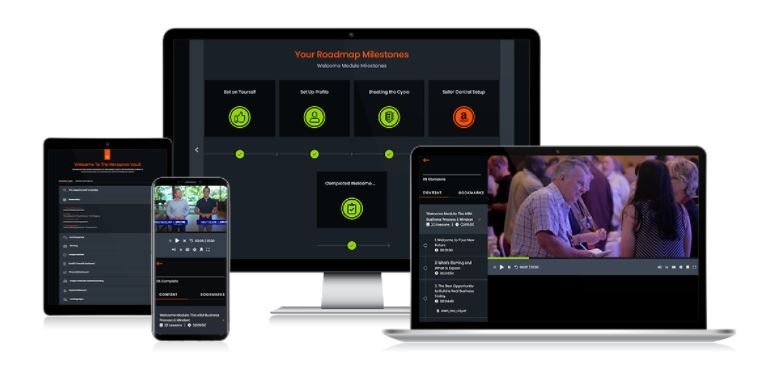
Best Amazon FBA Courses for Complete Beginners: Quick Comparison
Not every training program is suitable for someone starting from zero.
Some courses focus on advanced advertising strategies, while others explain the fundamentals in simple language.
Here is a practical comparison of four training approaches.
| Training Option | Best For | Cost | Main Advantage |
|---|---|---|---|
| Amazon Seller University | Absolute beginners | Free | Official Amazon education |
| Structured beginner courses | Students who prefer organized lessons | Free or paid | Guided learning sequence |
| Product research courses | Beginners learning product selection | Varies | Focused research skills |
| Mentorship-based programs | Learners needing individual feedback | Usually paid | Personalized assistance |
The best option depends on your experience, available budget, and preferred learning style.
Let’s examine each option.
1. Amazon Seller University — Best Free Amazon FBA Course for Beginners
Best for: Complete beginners who want to understand Amazon selling before investing in paid training.
Amazon Seller University is an official educational resource created by Amazon.
It provides training on topics such as:
- Creating product listings.
- Understanding fulfillment options.
- Managing inventory.
- Setting prices.
- Learning Amazon advertising fundamentals.
- Understanding selling policies.
In July 2026, Amazon announced that its full Seller University learning library became accessible without requiring a seller account.
This makes it an especially useful starting point for people with no previous selling experience. Sell on Amazon
Why We Recommend It
The biggest advantage is that you can learn directly from Amazon’s educational materials.
Instead of immediately purchasing an expensive course, you can understand how the marketplace operates.
Pros
- Free educational resources.
- Official training from Amazon.
- Suitable for beginners.
- Covers important operational topics.
- Allows self-paced learning.
Cons
- Does not provide a personalized business coach.
- Beginners must organize their own study schedule.
- Some topics may require additional practical research.
Our Verdict
For most complete beginners, Amazon Seller University is the best first step.
It provides a foundation before you decide whether a paid program is necessary.
Explore the official Amazon Seller University.
Explore the Best Free Amazon FBA Training
2. Structured Amazon FBA Beginner Courses — Best for Step-by-Step Learning
Best for: People who prefer following a clearly organized training program.
One challenge with free educational resources is knowing what to study first.
A structured beginner course can solve this problem by presenting lessons in a logical order.
An effective program should guide students through:
- Understanding Amazon’s business model.
- Selecting a marketplace.
- Researching potential products.
- Calculating costs and profit margins.
- Evaluating suppliers.
- Creating product listings.
- Understanding FBA shipping requirements.
- Launching and managing inventory.
What Makes a Beginner Course Worth Buying?
Before purchasing any program, examine its curriculum.
A course should provide practical demonstrations rather than relying on motivational content.
Look for clear explanations of:
Product research: How to evaluate demand, competition, and product restrictions.
Financial planning: How to calculate potential profit after all relevant expenses.
Supplier research: How to compare manufacturers, request samples, and evaluate quality.
Inventory management: How to avoid purchasing too much stock before validating demand.
Amazon compliance: How to understand product restrictions, intellectual property concerns, and seller responsibilities.
Warning Signs to Avoid
Be cautious when a course promises:
- Guaranteed monthly income.
- Instant profits without investment.
- A completely passive business.
- Secret products that supposedly guarantee success.
- Success without research or financial risk.
A legitimate educational program should explain both opportunities and risks.
Our Verdict
Structured courses can be helpful for beginners who struggle with independent learning.
However, they are not automatically better than free training.
Compare the curriculum with Seller University before spending money.
Discover Step-by-Step Amazon FBA Courses
3. Amazon FBA Product Research Training — Best for Choosing Your First Product
Best for: Beginners who understand FBA basics but need help evaluating products.
Product selection is one of the most important decisions in an Amazon business.
A product may generate substantial revenue but still lose money after expenses.
For example, imagine the following hypothetical product:
| Expense | Amount |
|---|---|
| Selling price | $30.00 |
| Product cost | $8.00 |
| Inbound shipping and preparation | $3.00 |
| Amazon referral fee | $4.50 |
| FBA fulfillment fee | $5.00 |
| Advertising allocation | $3.00 |
| Estimated remaining amount | $6.50 |
The estimated remaining amount is $6.50 per unit before additional expenses, taxes, returns, and other potential costs.
These figures are illustrative, not actual Amazon fee quotations.
This example demonstrates why product research must include more than identifying popular items.
Essential Product Research Skills
A useful course should teach you how to:
Evaluate demand
Determine whether customers consistently purchase similar products.
Study competition
Examine competing listings, prices, reviews, and product differentiation.
Estimate profitability
Calculate expected expenses before committing to inventory.
Identify restrictions
Check whether a product requires approval or must meet specific safety requirements.
Assess supplier reliability
Compare product samples, production capabilities, and quality standards.
Our Verdict
Product research training becomes valuable after you understand the basic FBA business model.
Beginners should avoid paying for expensive research software before learning what the available data actually means.
Find the Right Amazon FBA Product Research Training
4. Amazon FBA Mentorship Programs — Best for Personalized Guidance
Best for: Beginners who need individual feedback and have sufficient financial resources.
Mentorship programs typically provide more direct guidance than standard video courses.
Depending on the program, students may receive:
- Individual coaching sessions.
- Product research feedback.
- Group discussions.
- Supplier evaluation assistance.
- Business planning guidance.
However, mentorship programs vary significantly in quality.
A higher price does not necessarily mean better education.
Questions to Ask Before Enrolling
Before paying for mentorship, ask:
- Who provides the coaching?
- Can the instructor demonstrate relevant selling experience?
- What exactly is included?
- How frequently can students ask questions?
- Are there additional software expenses?
- What is the refund policy?
- Are the lessons updated for current Amazon policies?
Avoid programs that pressure you into making immediate purchasing decisions.
Our Verdict
Mentorship may be useful for some students, but it is unnecessary for learning the fundamentals.
Beginners with limited budgets should generally prioritize free education and preserve their capital.
Compare Amazon FBA Coaching and Mentorship Programs
Free vs. Paid Amazon FBA Courses: Which Is Better?
One of the most common questions beginners ask is whether they should pay for training.
The answer depends on what they need.
| Feature | Free Training | Paid Training |
|---|---|---|
| Basic FBA education | Yes | Yes |
| Product listing fundamentals | Often included | Usually included |
| Self-paced lessons | Yes | Usually |
| Structured curriculum | Varies | Often |
| Personal coaching | Rare | Sometimes |
| Community support | Varies | Sometimes |
| Financial commitment | None for training | Depends on program |
When Free Training Makes Sense
Choose free education when:
- You have never sold online.
- You are exploring whether Amazon FBA suits you.
- Your startup budget is limited.
- You prefer learning independently.
- You have not selected a product or business model.
When Paid Training Might Make Sense
Consider a paid program when:
- You already understand the basics.
- You have identified a specific knowledge gap.
- You need structured accountability.
- You can verify the instructor’s credibility.
- The price will not compromise your inventory budget.
Our recommendation: Complete the fundamentals for free before purchasing advanced training.
How to Start Amazon FBA With No Experience: 7 Practical Steps
Learning Amazon FBA becomes easier when you break the process into manageable tasks.
Here is a beginner-friendly roadmap.
Step 1: Understand the Amazon FBA Business Model
Before opening a seller account, understand the difference between selling products and fulfilling orders.
Amazon FBA is a fulfillment service, not a product sourcing strategy.
You still need to decide what to sell and how to obtain inventory.
Step 2: Choose Your Selling Approach
Common approaches include:
Private label: Selling products under your own brand.
Wholesale: Purchasing products from authorized suppliers for resale.
Reselling: Purchasing eligible products for resale while following Amazon’s policies and applicable laws.
Each approach has different startup requirements, risks, and operational challenges.
Step 3: Learn Product Research
Start by examining products in categories you understand.
Consider:
- Customer demand.
- Competition.
- Pricing.
- Product dimensions.
- Shipping expenses.
- Potential restrictions.
- Expected profit margins.
Avoid selecting a product simply because it appears popular.
Step 4: Calculate Your Startup Budget
Your budget may need to cover:
- Product samples.
- Initial inventory.
- Shipping.
- Packaging.
- Selling fees.
- FBA fees.
- Advertising.
- Business registration or compliance costs where applicable.
You should also maintain a financial reserve for unexpected expenses.
Step 5: Research Suppliers
Contact potential suppliers and compare their offers.
Request product specifications, pricing, minimum order quantities, and sample information.
Never assume that the lowest supplier price represents the best overall value.
Step 6: Create and Optimize Your Product Listing
A useful product listing should include:
- An accurate product title.
- Clear product photographs.
- Relevant search terms.
- Informative bullet points.
- A detailed product description.
- Accurate product attributes.
Avoid exaggerated claims or misleading information.
Step 7: Launch, Measure, and Improve
Once your product is available, monitor:
- Sales performance.
- Advertising expenses.
- Inventory levels.
- Customer feedback.
- Profitability.
- Return rates.
Use this information to improve your decisions.
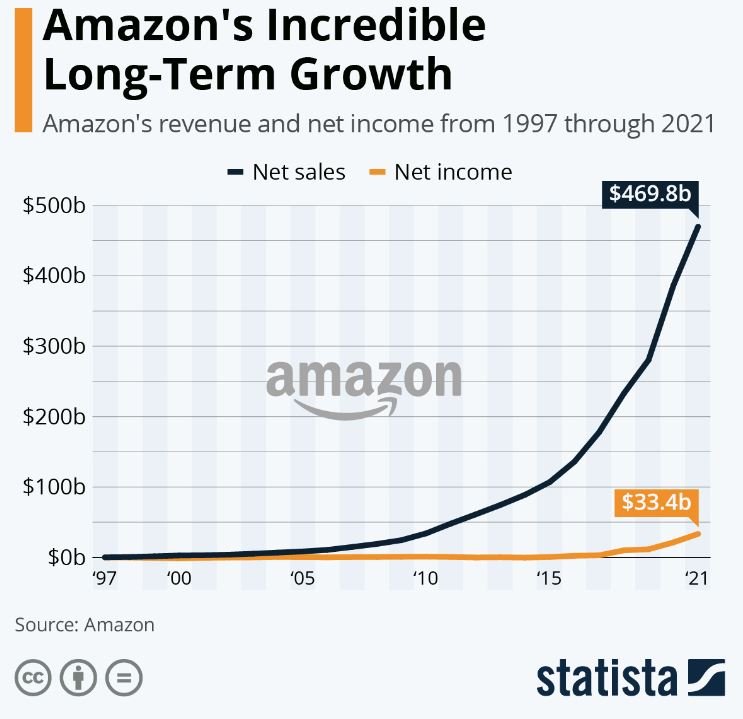
How Much Money Do You Need to Start Amazon FBA in 2026?
The amount depends on your business model, product category, marketplace, and inventory requirements.
There is no universal minimum that guarantees a successful launch.
To illustrate how startup expenses can accumulate, consider this hypothetical planning budget.
| Expense | Example Budget |
|---|---|
| Product samples | $100 |
| Initial inventory | $700 |
| Shipping and preparation | $250 |
| Product photography | $100 |
| Initial advertising | $200 |
| Additional reserve | $300 |
| Total | $1,650 |
This is a budgeting example, not a verified average startup cost.
Some sellers may require considerably more capital, especially when developing branded products.
Others may begin with smaller inventories.
Actual Amazon selling fees vary by marketplace, category, product dimensions, and fulfillment method.
Always check the applicable fee schedule and estimate your costs before ordering inventory.
Can You Learn Amazon FBA for Free?
Yes. You can learn the fundamentals of Amazon FBA without purchasing a course.
Amazon offers free educational content explaining its selling tools, fulfillment services, and operational processes.
Its official FBA training resources include videos designed to help sellers understand fulfillment, inventory management, and related topics. Sell on Amazon
However, learning for free does not mean operating an FBA business for free.
You may still need money for inventory, shipping, marketplace fees, and other expenses.
A Simple 30-Day Amazon FBA Learning Plan
| Period | Learning Goal | Practical Assignment |
|---|---|---|
| Days 1–5 | Understand Amazon FBA | Complete introductory lessons |
| Days 6–10 | Learn selling models | Compare private label and wholesale |
| Days 11–15 | Study product research | Evaluate five potential products |
| Days 16–20 | Understand profitability | Create sample cost calculations |
| Days 21–25 | Learn supplier research | Compare supplier requirements |
| Days 26–30 | Review launch requirements | Prepare a realistic business plan |
At the end of the month, you should have a better understanding of whether Amazon FBA is suitable for your goals and financial situation.
You do not need to purchase inventory simply because you have completed 30 days of study.
7 Mistakes Beginners Should Avoid When Learning Amazon FBA
Even a good training course cannot eliminate business risk.
However, understanding common mistakes can help you make better decisions.
1. Buying Expensive Courses Too Early
Many beginners purchase training before understanding the business model.
Start with free resources and identify your specific learning needs.
2. Choosing Products Based Only on Popularity
High demand does not automatically mean high profitability.
Competition and expenses matter.
3. Ignoring Amazon Fees
Referral fees, fulfillment fees, storage charges, and advertising expenses can significantly affect profitability.
4. Ordering Too Much Inventory
Purchasing large quantities before validating demand can create financial problems.
5. Believing Guaranteed Income Claims
No legitimate training program can guarantee that every student will make money.
6. Ignoring Product Restrictions
Some products require approval, documentation, or compliance with specific requirements.
Research these obligations before purchasing inventory.
7. Expecting Immediate Results
Learning Amazon FBA takes time.
Building a sustainable business may require research, experimentation, financial planning, and continuous improvement.
Is Amazon FBA Worth Learning in 2026?
Amazon FBA remains a business model worth studying for people interested in ecommerce.
It offers access to Amazon’s fulfillment infrastructure, but sellers still face important challenges.
Potential Advantages
Established fulfillment infrastructure
Amazon handles storage and order fulfillment for products enrolled in FBA.
Reduced fulfillment workload
Sellers can outsource several shipping and customer service operations.
Opportunity to develop ecommerce skills
Learning FBA can help you understand product research, inventory management, online advertising, and financial planning.
Potential Disadvantages
Financial risk
Inventory may sell slowly or fail to generate sufficient profit.
Competition
Other sellers may offer similar products.
Operating expenses
Fees and advertising costs can reduce margins.
Marketplace dependence
Sellers must comply with Amazon’s policies and account requirements.
Our Assessment
Amazon FBA is worth learning if you are willing to treat it as a real business rather than a shortcut to passive income.
For beginners, education should come before major financial commitments.
How to Choose the Best Amazon FBA Course for Beginners With No Experience
Before enrolling in any program, use this checklist.
| Evaluation Question | What to Look For |
|---|---|
| Is it beginner-friendly? | Explains concepts from zero |
| Is the training current? | Reflects relevant marketplace policies |
| Does it cover product research? | Includes realistic research methods |
| Does it explain profitability? | Covers fees and expenses |
| Are lessons practical? | Demonstrations and exercises |
| Is the instructor credible? | Verifiable experience |
| Is pricing transparent? | No hidden mandatory expenses |
| Are income claims realistic? | No guaranteed profits |
| Is support available? | Clearly defined assistance |
| Is there a refund policy? | Written terms available before purchase |
A course that meets these criteria is more likely to provide meaningful educational value.
Remember that course quality depends on the actual curriculum and instruction, not marketing promises.
Frequently Asked Questions
What is the best Amazon FBA course for beginners with no experience?
Amazon Seller University is our recommended starting point because it provides free, official educational resources covering essential Amazon selling topics.
Beginners who need additional structure can consider paid programs after completing the fundamentals.
Can I start Amazon FBA with absolutely no experience?
Yes. Previous ecommerce experience is not a requirement for learning Amazon FBA.
However, beginners should understand product research, financial planning, marketplace rules, and inventory management before investing money.
Is there a completely free Amazon FBA course?
Yes. Amazon Seller University provides free training materials covering selling and fulfillment topics.
You can begin learning without paying for a third-party course.
How long does it take to learn Amazon FBA?
The time required varies.
You may understand basic concepts within several weeks, but developing practical skills and preparing a business launch can take considerably longer.
Do I need an LLC to start Amazon FBA?
Not necessarily.
Business registration requirements depend on your location, legal structure, marketplace, and applicable regulations.
Consult relevant official guidance before registering.
Can I start Amazon FBA with $500?
It may be possible to explore certain low-inventory selling approaches with a limited budget, but $500 may be insufficient for many FBA launches.
Product costs, fees, shipping, and other expenses must be calculated individually.
Is Amazon FBA beginner-friendly?
The fulfillment service can simplify shipping and order handling.
However, choosing profitable products, managing inventory, and complying with marketplace rules still require effort and knowledge.
Should beginners choose free or paid Amazon FBA training?
Most complete beginners should start with free training.
Paid education becomes more relevant when it addresses a specific learning need that free resources do not adequately cover.
Final Verdict: What Is the Best Amazon FBA Course for Beginners in 2026?
Finding the best Amazon FBA course for beginners with no experience does not have to be complicated.
For most people starting from zero, Amazon Seller University is the strongest first choice because it provides accessible, official training without course fees.
After completing the fundamentals, you can decide whether you need structured lessons, specialized product research education, or personalized mentorship.
The most important lesson is simple:
A successful Amazon business starts with informed decisions, realistic financial planning, and practical skills—not expensive promises.
Invest in understanding the business before investing heavily in inventory or training.
That approach can help you avoid unnecessary expenses and make better long-term decisions.
Affiliate Disclosure: This article may contain affiliate links. If you purchase through these links, TechProResearch may earn a commission at no additional cost to you. Our recommendations are based on educational value, suitability for beginners, and practical considerations. We do not guarantee business or financial results.