Amazon FBA vs Dropshipping Comparison: Which Is Better in 2026?
Starting an online business in 2026 offers more opportunities than ever. However, choosing the right business model can determine whether your first investment becomes a profitable venture or an expensive learning experience.
Two of the most popular ecommerce business models are Amazon FBA (Fulfillment by Amazon) and dropshipping.
Both allow entrepreneurs to sell physical products online, but they operate differently regarding inventory, startup costs, shipping, customer service, and long-term profitability.
Amazon FBA involves purchasing inventory and storing it in Amazon’s fulfillment centers, where Amazon handles storage, packing, shipping, and certain customer service responsibilities.
Dropshipping allows sellers to list products without purchasing inventory upfront. When customers place orders, suppliers ship products directly to buyers.
So, which model is better?
In this comprehensive Amazon FBA vs dropshipping comparison, we’ll examine startup costs, profit margins, operational challenges, risks, scalability, and long-term business potential.
By the end, you’ll understand which approach better matches your budget, experience, and financial goals.
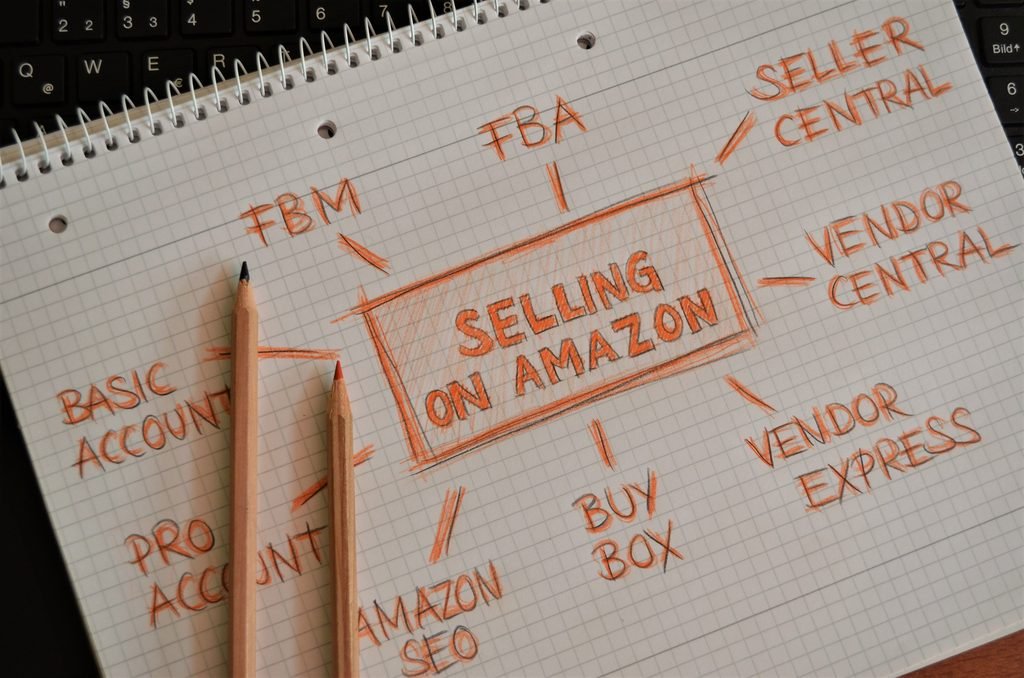
1. What Is Amazon FBA?
Amazon FBA is a fulfillment service that enables ecommerce sellers to store products in Amazon’s fulfillment centers.
When customers purchase eligible products, Amazon handles order picking, packaging, shipping, and much of the associated customer service.
How Amazon FBA Works
The typical Amazon FBA process includes:
- Researching profitable products and market demand.
- Finding reliable manufacturers or wholesalers.
- Purchasing inventory from suppliers.
- Shipping products to Amazon fulfillment centers.
- Creating optimized Amazon product listings.
- Generating sales through organic traffic or advertising.
- Monitoring inventory, expenses, and profitability.
Amazon manages much of the fulfillment process, allowing sellers to focus on product selection, marketing, and business development.
Advantages of Amazon FBA
Access to Amazon’s customer base
Amazon attracts customers who are already searching for products and often have strong purchase intent.
Fulfillment infrastructure
Amazon handles shipping logistics and offers eligible products access to Prime delivery benefits.
Customer confidence
Customers may feel more comfortable purchasing products fulfilled through Amazon’s established delivery and returns infrastructure.
Scalability
Once a profitable product is established, sellers can potentially expand their catalog and increase inventory.
Disadvantages of Amazon FBA
Amazon FBA also introduces challenges:
- Inventory purchases require upfront capital.
- Storage and fulfillment fees reduce profitability.
- Unsold products can generate additional expenses.
- Competition can make product launches difficult.
- Advertising expenses may increase customer acquisition costs.
- Amazon marketplace policies can affect business operations.
The biggest challenge for beginners is often selecting products with enough demand and sufficient profit margins.
Can Beginners Succeed With Amazon FBA?
Yes, but success requires careful preparation.
Beginners should understand product research, supplier selection, listing optimization, advertising, and inventory management before committing substantial capital.
A product that appears profitable before expenses may become unprofitable after fulfillment fees, advertising costs, and returns.
Want to evaluate an Amazon FBA business before investing?
[ Amazon FBA Product Research Tool or Beginner Training Course]
2. What Is Dropshipping?
Dropshipping is an ecommerce fulfillment model in which sellers market products without maintaining their own inventory.
Instead of purchasing stock upfront, the seller forwards customer orders to a supplier who ships products directly to the customer.
Dropshipping businesses commonly operate through independent online stores or supported ecommerce marketplaces.
How Dropshipping Works
The standard dropshipping process involves:
- Selecting a product niche.
- Finding suppliers that support dropshipping.
- Building an online store.
- Importing or creating product listings.
- Promoting products through advertising, search engines, or social media.
- Receiving customer orders.
- Sending order information to suppliers.
- Managing customer support, refunds, and supplier performance.
Unlike traditional inventory-based retail, sellers generally pay suppliers after receiving customer orders.
However, advertising, platform subscriptions, refunds, and payment processing can still create substantial upfront or ongoing expenses.
Advantages of Dropshipping
Lower inventory investment
You generally do not need to purchase products before customers order them.
Flexible product testing
Sellers can experiment with different product categories without buying large quantities of inventory.
Location independence
Many dropshipping businesses can be managed remotely.
Product variety
Sellers can potentially offer a wide range of products through multiple suppliers.
Disadvantages of Dropshipping
Despite its accessibility, dropshipping has significant disadvantages.
- Profit margins can be narrow.
- Advertising expenses may be unpredictable.
- Shipping times depend on suppliers.
- Product quality can be difficult to control.
- Customer complaints remain the seller’s responsibility.
- Popular products attract competitors.
- Supplier inventory changes can cause canceled orders.
A major misconception is that dropshipping requires no investment.
Although inventory expenses are usually lower, acquiring customers can be expensive.

3. Amazon FBA vs Dropshipping Comparison: Key Differences
Understanding the differences between these models is essential before choosing one.
| Feature | Amazon FBA | Dropshipping |
|---|---|---|
| Business model | Inventory-based selling | Supplier-fulfilled selling |
| Inventory purchase | Usually required upfront | Usually not required upfront |
| Startup investment | Typically higher | Typically lower |
| Inventory storage | Amazon fulfillment centers | Supplier facilities |
| Shipping | Managed by Amazon | Managed by suppliers |
| Customer service | Amazon handles fulfillment-related support | Seller generally manages support |
| Product quality control | Greater opportunity to inspect inventory | Depends heavily on suppliers |
| Marketplace access | Amazon customer base | Depends on sales channel |
| Branding opportunities | Available, especially with private label | Available through branded stores |
| Financial risk | Inventory and operating costs | Marketing and supplier-related costs |
| Scalability | Strong with successful inventory management | Strong with reliable suppliers and marketing |
| Main challenge | Product research and inventory investment | Customer acquisition and supplier reliability |
Neither business model guarantees profitability.
Amazon FBA may be more attractive to entrepreneurs who can invest in inventory and want access to an established marketplace.
Dropshipping may appeal to beginners who prefer testing products without committing substantial money to inventory.
4. Amazon FBA vs Dropshipping Startup Costs
Startup costs are among the most important considerations when choosing an ecommerce business model.
Amazon FBA Startup Costs
An Amazon FBA business may require spending money on:
- Product research tools.
- Initial inventory.
- Product samples.
- Packaging and branding.
- Shipping inventory to fulfillment centers.
- Amazon selling plan and referral fees.
- Fulfillment and storage fees.
- Advertising campaigns.
Example Amazon FBA Startup Budget
The following figures illustrate a hypothetical small product launch, not required or typical costs.
| Expense | Estimated Cost |
|---|---|
| Initial inventory | $1,500 |
| Product samples | $100 |
| Packaging and branding | $200 |
| Shipping and preparation | $300 |
| Research tools | $100 |
| Initial advertising | $500 |
| Total | $2,700 |
Actual startup expenses vary considerably by product, marketplace, shipping destination, and selling strategy.
Some sellers start with smaller budgets, while others invest substantially more.
Dropshipping Startup Costs
Dropshipping generally eliminates the need for initial inventory purchases.
However, entrepreneurs still need to account for:
- Ecommerce platform subscriptions.
- Domain registration.
- Store design.
- Product samples.
- Marketing tools.
- Advertising.
- Payment processing.
- Refund reserves.
Example Dropshipping Startup Budget
| Expense | Estimated Cost |
|---|---|
| Domain | $15 |
| Ecommerce platform | $40 |
| Store design and apps | $75 |
| Product samples | $70 |
| Initial advertising | $300 |
| Miscellaneous expenses | $100 |
| Total | $600 |
These are illustrative estimates rather than current vendor quotations.
Advertising costs can exceed this budget quickly, especially when campaigns fail to generate profitable sales.
Which Is Cheaper?
Dropshipping generally requires less upfront inventory capital than Amazon FBA.
However, lower startup costs do not necessarily translate into higher profits or a better chance of success.
For entrepreneurs with limited funds, dropshipping may offer more flexibility for testing products.
For those with sufficient capital and strong product research skills, Amazon FBA may provide a more structured fulfillment system.
[ Ecommerce or Dropshipping Business Software]
5. Amazon FBA vs Dropshipping Profit Margins
Profitability is often the deciding factor when comparing ecommerce business models.
However, there is no universal profit margin for either model.
Margins depend on product pricing, sourcing costs, advertising, returns, competition, and operating expenses.
Amazon FBA Profit Example
Imagine selling a product on Amazon for $35.
| Expense | Amount |
|---|---|
| Selling price | $35.00 |
| Product cost | $9.00 |
| Inbound shipping allocation | $2.00 |
| Amazon referral fee | $5.25 |
| FBA fulfillment fee | $5.00 |
| Advertising cost per sale | $4.00 |
| Other allocated expenses | $1.50 |
| Estimated profit | $8.25 |
In this hypothetical example:
Net profit margin = ($8.25 ÷ $35) × 100 = 23.6%.
The calculation assumes the listed expenses represent all costs allocated to that sale.
Actual Amazon fees vary by product category, dimensions, weight, marketplace, and other factors.
Dropshipping Profit Example
Now consider a dropshipping product selling for $35.
| Expense | Amount |
|---|---|
| Selling price | $35.00 |
| Supplier product cost | $13.00 |
| Shipping | $5.00 |
| Advertising cost per sale | $8.00 |
| Payment processing | $1.30 |
| Other allocated expenses | $1.00 |
| Estimated profit | $6.70 |
In this example:
Net profit margin = ($6.70 ÷ $35) × 100 = 19.1%.
These examples are not industry averages or forecasts.
They simply demonstrate how different operating costs affect profitability.
Which Business Model Is More Profitable?
Amazon FBA can generate attractive margins when sellers source products efficiently and manage advertising expenses.
Dropshipping can also be profitable when sellers find reliable suppliers and acquire customers at sustainable costs.
The key difference is where financial pressure occurs.
Amazon FBA sellers often face inventory-related costs.
Dropshipping sellers frequently face customer acquisition and supplier-related challenges.
The better model is the one that produces consistent profit after every expense—not simply the one with the highest revenue.
6. Amazon FBA vs Dropshipping: Risk Comparison
Every ecommerce business involves financial and operational risks.
Understanding these risks can prevent costly mistakes.
Amazon FBA Risks
Unsold inventory
Products that fail to sell can tie up capital and generate storage expenses.
Market competition
Competitors may offer similar products at lower prices.
Inventory forecasting
Ordering too much inventory increases storage costs, while ordering too little may result in stockouts.
Marketplace dependence
Changes in Amazon policies, fees, or account status can affect sellers.
Dropshipping Risks
Supplier reliability
Late shipments, stock shortages, and inconsistent product quality can damage customer satisfaction.
Advertising losses
Sellers may spend substantial money testing products before finding profitable campaigns.
Shipping delays
Long delivery times can increase refund requests and customer complaints.
Limited fulfillment control
Dropshippers often depend on third parties to package and ship orders correctly.
Which Is Less Risky?
Dropshipping typically reduces inventory-related financial exposure.
However, it can introduce substantial advertising and supplier risks.
Amazon FBA requires greater inventory planning but offers established fulfillment infrastructure.
Neither model is inherently risk-free.
7. Which Is Easier for Beginners: Amazon FBA or Dropshipping?
Both models have learning curves.
The easiest option depends on the beginner’s financial resources and existing skills.
Amazon FBA Learning Curve
Beginners must learn:
- Product research.
- Market competition analysis.
- Supplier negotiations.
- Inventory planning.
- Amazon listing optimization.
- Advertising management.
- Profit calculations.
Amazon handles much of the fulfillment process, but sellers remain responsible for sourcing and business decisions.
Dropshipping Learning Curve
Dropshipping beginners must understand:
- Ecommerce website creation.
- Supplier research.
- Product selection.
- Conversion rate optimization.
- Digital advertising.
- Customer acquisition.
- Customer service.
Dropshipping may be easier to launch with limited inventory capital, but consistently generating profitable sales can be difficult.
Our Assessment
For beginners with a limited budget and strong digital marketing skills, dropshipping may be the more accessible starting point.
For beginners who have sufficient investment capital and prefer operating within an established marketplace, Amazon FBA may be more suitable.
Neither model should be viewed as an effortless source of passive income.
8. Amazon FBA vs Dropshipping: Shipping and Customer Experience
Shipping performance can significantly influence customer satisfaction, reviews, and repeat purchases.
Amazon FBA Shipping
Amazon manages the fulfillment process for eligible FBA orders.
Advantages include:
- Established fulfillment infrastructure.
- Tracking and delivery management.
- Prime eligibility for qualifying products.
- Amazon-managed fulfillment-related customer support.
- Standardized return processes for many orders.
However, shipping speed and service availability vary by product, destination, and marketplace.
Dropshipping Shipping
Dropshipping shipping performance depends heavily on supplier capabilities.
Domestic suppliers may provide relatively fast delivery.
International suppliers may require longer shipping periods, depending on inventory location, shipping methods, customs, and destination.
Dropshipping sellers should verify shipping estimates before advertising products.
Shipping Winner
Amazon FBA generally has an advantage in standardized fulfillment and delivery infrastructure.
However, dropshipping businesses using dependable domestic fulfillment partners can also provide competitive delivery experiences.
9. Which Model Is Better for Long-Term Business Growth?
Building a sustainable ecommerce business requires more than generating occasional sales.
Entrepreneurs should consider brand development, customer relationships, scalability, and operational stability.
Amazon FBA Long-Term Potential
Amazon FBA sellers can potentially expand through:
- Additional products.
- Private-label branding.
- Product bundles.
- International marketplace expansion.
- Repeat purchases.
- Improved sourcing arrangements.
A successful private-label business may develop valuable intellectual property, customer recognition, and operational systems.
However, marketplace dependence remains an important consideration.
Dropshipping Long-Term Potential
Dropshipping businesses can grow through:
- Niche-focused online stores.
- Strong brand positioning.
- Email marketing.
- Customer retention.
- Exclusive supplier partnerships.
- Improved fulfillment agreements.
- Transitioning successful products into stocked inventory.
One possible strategy is to test product demand through dropshipping before investing in inventory.
However, demand validation should account for advertising costs, supplier reliability, and repeat purchase potential.
Long-Term Winner
There is no universal winner.
Amazon FBA can be attractive for sellers focused on marketplace sales and inventory-based expansion.
Dropshipping can be attractive for entrepreneurs building independent ecommerce brands.
The best long-term strategy depends on the business’s ability to acquire customers profitably and maintain reliable operations.
[ Amazon FBA Product Research or Business Training Platform]
10. Amazon FBA vs Dropshipping for Passive Income
Many beginners search for ecommerce business models because they want passive income.
However, neither Amazon FBA nor dropshipping is genuinely passive during the early stages.
Is Amazon FBA Passive Income?
Amazon automates many fulfillment activities, but sellers must still manage:
- Inventory replenishment.
- Supplier relationships.
- Advertising campaigns.
- Product listings.
- Financial performance.
- Customer feedback and account health.
A mature Amazon FBA business may require less day-to-day fulfillment involvement than a traditional retail operation.
Nevertheless, active management remains necessary.
Is Dropshipping Passive Income?
Dropshipping eliminates physical inventory handling, but sellers must still oversee:
- Advertising.
- Supplier communication.
- Customer complaints.
- Returns.
- Payment disputes.
- Website maintenance.
- Product availability.
Automation tools can reduce repetitive tasks, but they cannot eliminate business risks.
Which Requires Less Work?
Amazon FBA may reduce direct fulfillment work because Amazon manages the shipping process.
Dropshipping offers inventory flexibility but can demand significant marketing and customer support effort.
Neither should be marketed as guaranteed passive income.
11. Amazon FBA vs Dropshipping: Which Is Better With $1,000?
A $1,000 budget changes the comparison considerably.
Starting Amazon FBA With $1,000
Launching a private-label product with $1,000 can be challenging because inventory, shipping, fees, and advertising consume capital quickly.
However, smaller-scale selling approaches may be possible depending on product selection and marketplace requirements.
Beginners should avoid committing their entire budget to inventory without accounting for fees and unexpected expenses.
Starting Dropshipping With $1,000
Dropshipping generally provides greater flexibility when starting with $1,000 because products do not need to be purchased in bulk.
A hypothetical allocation could include:
| Expense | Budget |
|---|---|
| Store setup and essential tools | $150 |
| Product samples | $100 |
| Marketing tests | $450 |
| Refund and operating reserve | $300 |
| Total | $1,000 |
This allocation is illustrative, and it does not guarantee sufficient testing or profitable sales.
Our Recommendation for a $1,000 Budget
For someone specifically choosing between these two models, dropshipping may offer greater flexibility with a $1,000 starting budget.
However, beginners should consider learning marketing fundamentals and validating product demand before spending heavily on advertising.
12. Amazon FBA vs Dropshipping: Which Is Better in 2026?
The ecommerce market continues to evolve as technology, automation, advertising platforms, and consumer expectations change.
Both business models remain viable, but neither guarantees easy profits.
Choose Amazon FBA If You:
- Have sufficient capital for inventory.
- Want access to Amazon’s marketplace.
- Prefer established fulfillment infrastructure.
- Are comfortable managing inventory risks.
- Want to build an inventory-based ecommerce business.
Choose Dropshipping If You:
- Have limited inventory capital.
- Want to test multiple products.
- Have digital marketing experience.
- Prefer operating an independent online store.
- Are comfortable managing supplier relationships.
What About Combining Both Models?
Some entrepreneurs begin by testing products through dropshipping and later move successful products into inventory-based fulfillment.
This approach can help validate demand before purchasing larger quantities.
However, it is not always practical because supplier costs, product differentiation, marketplace rules, and customer acquisition methods may differ.
If you plan to sell through Amazon, remember that Amazon permits dropshipping only when sellers comply with its applicable dropshipping policy, including being the seller of record.

13. Common Mistakes Beginners Should Avoid
Whether you choose Amazon FBA or dropshipping, avoiding common mistakes can improve your chances of building a sustainable business.
Mistake 1: Choosing Products Without Research
Selling products simply because they appear popular can lead to intense competition and disappointing profits.
Research customer demand, pricing, competitors, and product costs before launching.
Mistake 2: Ignoring Hidden Expenses
New sellers often underestimate advertising, returns, shipping, platform fees, and other operational costs.
Calculate realistic profit margins before investing.
Mistake 3: Expecting Immediate Profits
Building a profitable ecommerce business usually requires experimentation, learning, and continuous improvement.
Mistake 4: Working With Unreliable Suppliers
Supplier problems can create delivery delays, poor customer experiences, and financial losses.
Request samples and verify supplier reliability whenever possible.
Mistake 5: Scaling Before Achieving Profitability
Increasing advertising budgets or inventory purchases before establishing profitable unit economics can magnify losses.
Focus on sustainable profitability rather than revenue alone.
Ready to explore tools that can help you research products and plan your ecommerce business?
[ Recommended Amazon FBA or Ecommerce Business Tool]
14. Frequently Asked Questions About Amazon FBA vs Dropshipping
Is Amazon FBA better than dropshipping in 2026?
Amazon FBA may be better for entrepreneurs with sufficient capital who want access to Amazon’s established marketplace and fulfillment infrastructure. Dropshipping may be more suitable for beginners seeking lower upfront inventory costs.
Is Amazon FBA more profitable than dropshipping?
Not necessarily. Profitability depends on sourcing costs, product pricing, advertising, competition, and operating expenses. Both models can generate profits or losses.
Can you start Amazon FBA with $500?
Some small-scale selling strategies may be possible with $500, but launching a private-label product with such a limited budget can be difficult. Inventory, shipping, fees, and advertising must all be considered.
Can you start dropshipping with no money?
Starting a sustainable dropshipping business with absolutely no money is difficult. Even without purchasing inventory, sellers may face expenses for ecommerce software, marketing, product samples, and payment processing.
Is dropshipping legal on Amazon?
Amazon allows dropshipping when sellers comply with its dropshipping requirements. Sellers must be identified as the seller of record and remain responsible for meeting applicable customer service and policy obligations.
Which is better for beginners: Amazon FBA or dropshipping?
Dropshipping may be more accessible for beginners with limited inventory capital. Amazon FBA may suit beginners who have more investment funds and prefer Amazon’s fulfillment infrastructure.
Does Amazon FBA require inventory?
Yes. Under the standard FBA model, sellers provide inventory that Amazon stores and fulfills. Sellers are responsible for sourcing and replenishing that inventory.
Is dropshipping still worth it in 2026?
Dropshipping can still be a viable business model when sellers identify genuine customer demand, use reliable suppliers, control marketing expenses, and provide good customer service.
Can I switch from dropshipping to Amazon FBA?
Yes. Entrepreneurs can transition to an inventory-based model, provided their products, suppliers, and selling practices meet the relevant marketplace requirements.
Which business model is better for long-term success?
Both can support long-term businesses. Success depends more on profitability, customer satisfaction, differentiation, and operational management than on the fulfillment model alone.
Final Verdict: Amazon FBA vs Dropshipping Comparison
After evaluating startup costs, profitability, risks, fulfillment, scalability, and beginner accessibility, the best choice depends on your circumstances.
Amazon FBA is worth considering if you have sufficient startup capital, want access to an established marketplace, and are comfortable purchasing inventory.
Dropshipping is worth considering if you have limited inventory capital, want to test products, and are prepared to invest time in digital marketing and supplier management.
For beginners with small budgets, dropshipping generally provides more flexibility.
For entrepreneurs interested in developing inventory-based product businesses, Amazon FBA can offer valuable fulfillment advantages.
Regardless of which model you choose, sustainable success requires careful product research, realistic financial planning, reliable suppliers, and consistent execution.
The most important question isn’t simply whether Amazon FBA or dropshipping is better.
It’s which business model fits your resources, skills, risk tolerance, and long-term goals.
Related Articles You May Find Helpful
How to Avoid Amazon FBA Storage Fees: 10 Practical Ways to Reduce Costs
Amazon FBA Profit Calculator Tutorial: How to Calculate Your Profits Before Selling
Best Amazon FBA Product Research Tools in 2026: 7 Top Picks Compared